
Last Updated on July 13, 2026 by Admin
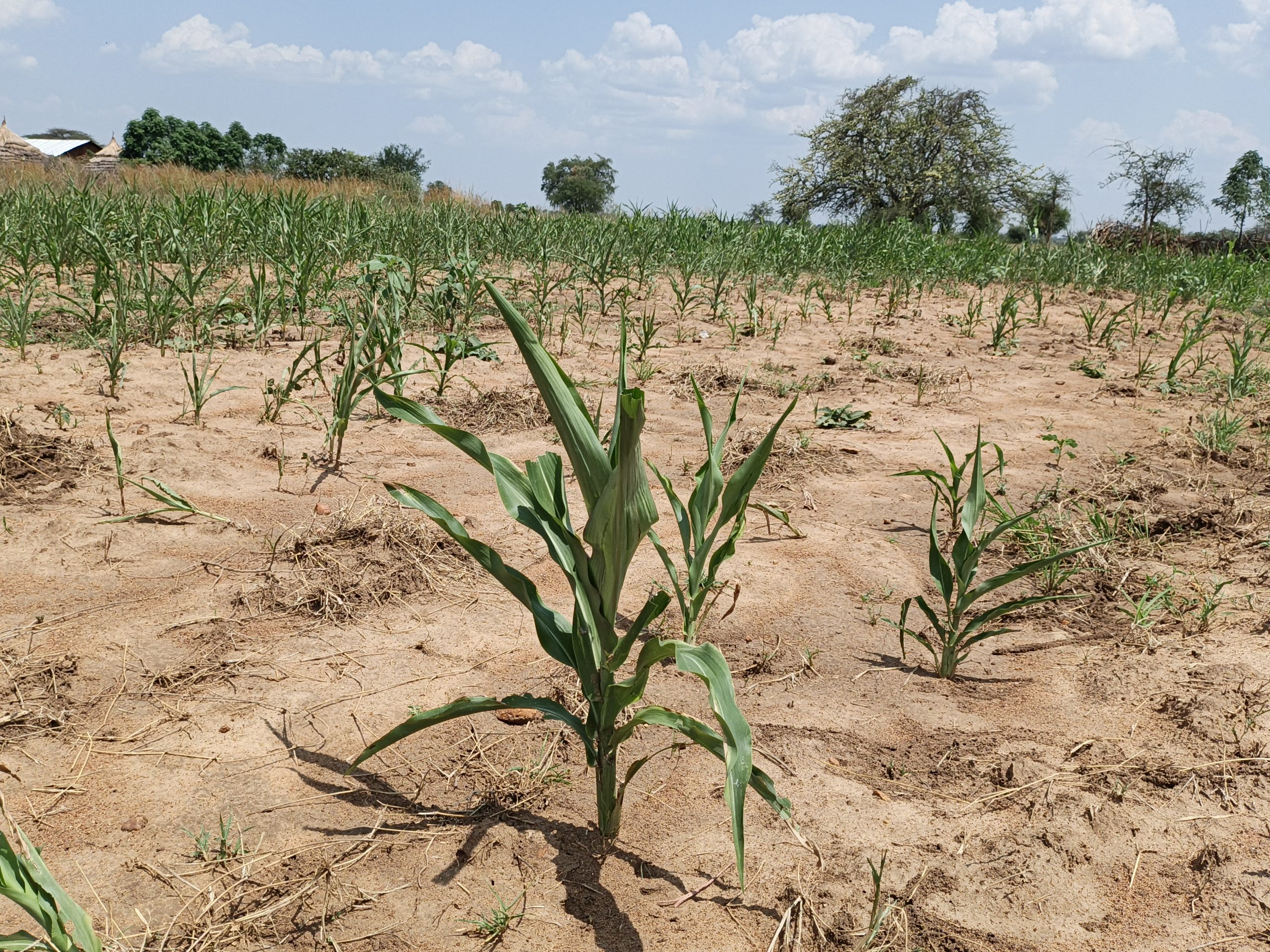
For generations, the communities of Karamoja have relied almost entirely on seasonal rainfall to grow food, raise livestock, and sustain their livelihoods. While this traditional way of life has supported communities for decades, the growing impacts of climate change have made rainfall increasingly unpredictable. Prolonged droughts, erratic weather patterns, and declining harvests continue to threaten food security, deepen poverty, and place thousands of families at risk of hunger.
At Milestone Foundation, we believe that the future of Karamoja lies not only in waiting for the rain but in learning how to grow beyond it.
A New Approach to Agriculture
Climate-smart agriculture offers a practical and sustainable pathway for transforming agriculture in drought-prone regions. By combining innovation with responsible natural resource management, communities can adapt to changing weather patterns while increasing food production and protecting the environment.
This approach includes adopting drought-tolerant crop varieties, improved seeds, efficient irrigation systems, soil and water conservation practices, integrated pest management, and renewable energy solutions such as solar-powered water pumping. Together, these technologies enable farmers to produce more food with fewer resources while strengthening resilience to climate change.
The Power of Water
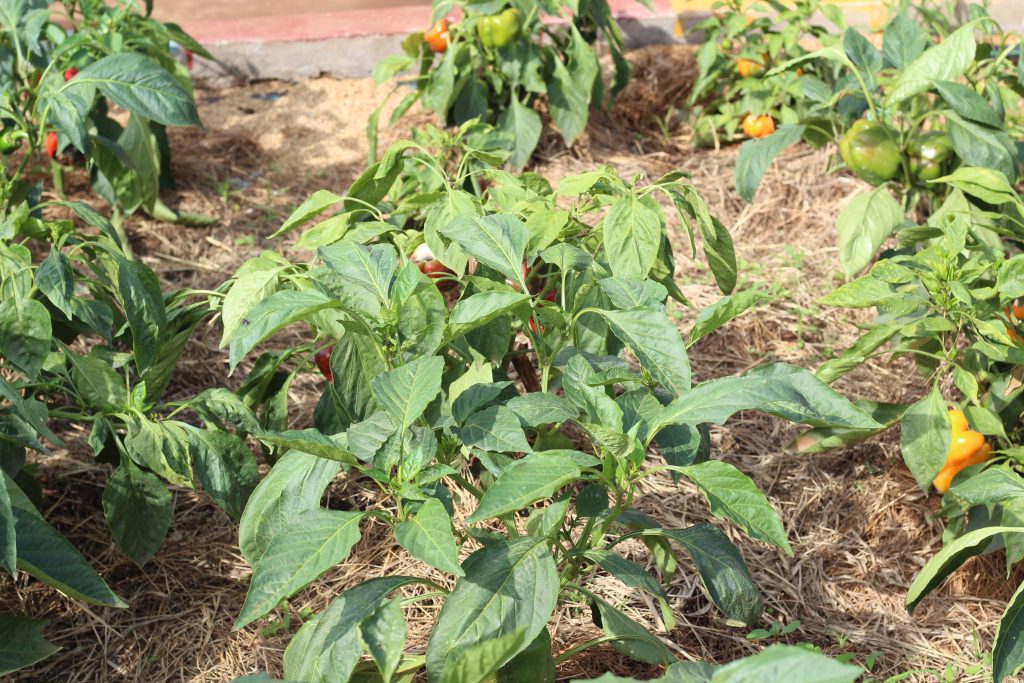
Reliable access to water is the foundation of sustainable agriculture. Across Karamoja, many communities possess significant agricultural potential, yet their productivity remains constrained by dependence on increasingly unreliable rainfall.
Investing in sustainable water infrastructure and, where appropriate, community irrigation systems can transform this reality. Reliable water sources can support year-round crop production, improve household nutrition, increase family incomes, create employment opportunities for young people and women, and significantly reduce dependence on emergency food assistance during prolonged dry seasons.
Water should not only sustain life—it should sustain livelihoods.
Building Resilient Communities
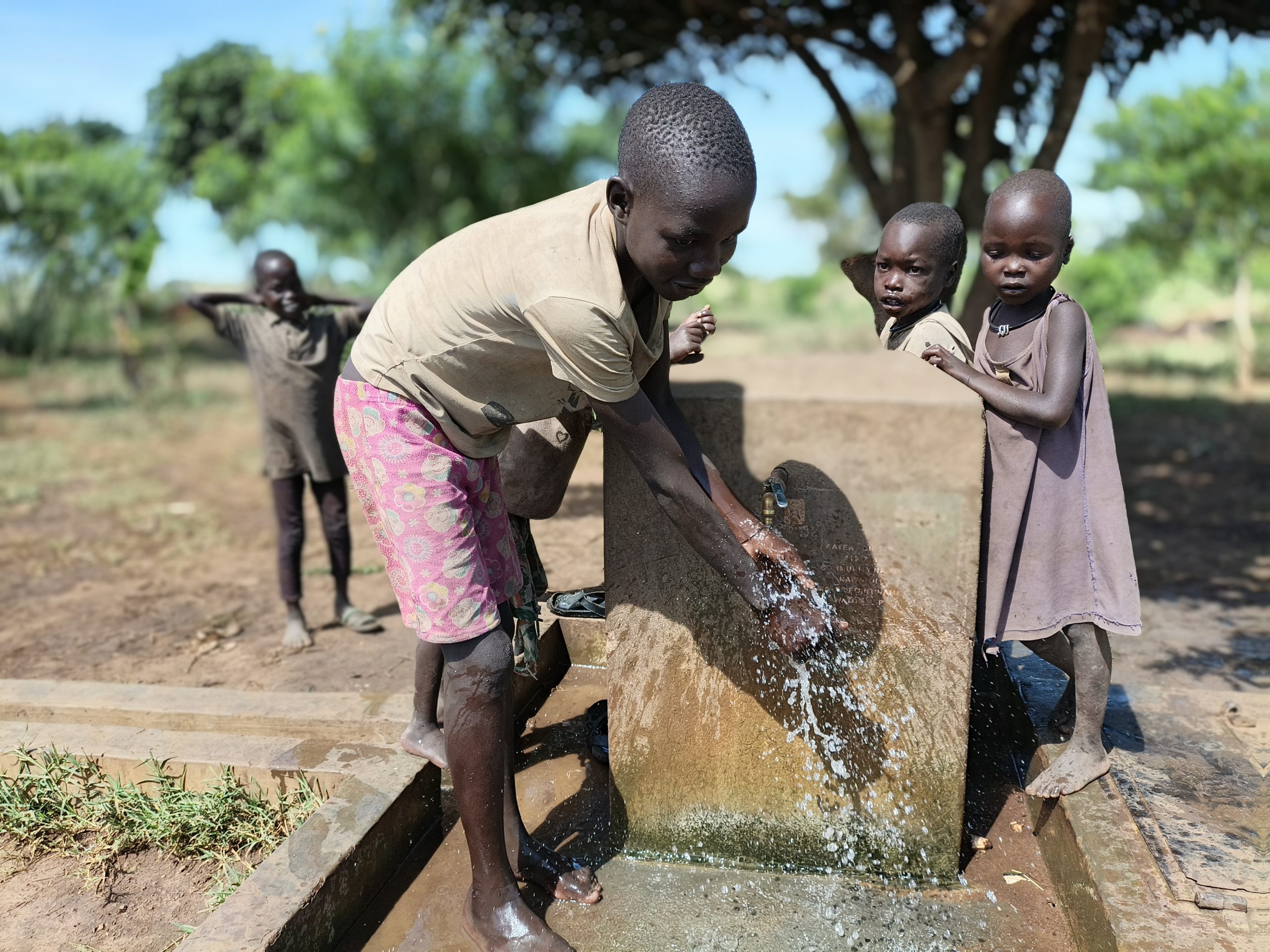
Climate-smart agriculture is about more than increasing crop yields. It is about building communities that are resilient, self-reliant, and capable of adapting to a changing climate. By embracing innovation and modern agricultural practices, farmers can reduce production risks while improving economic opportunities for future generations.
Karamoja has fertile land, resilient people, and enormous untapped potential. With the right investments in knowledge, technology, and sustainable water management, the region can become a model of climate resilience and agricultural transformation.
Milestone Foundation’s Vision
At Milestone Foundation, we envision a Karamoja where every family has access to nutritious food, every farmer has the tools and knowledge to succeed, and every community can withstand the challenges of climate change.
We remain committed to promoting sustainable agriculture, strengthening food security, empowering local communities, and advocating for innovative solutions that address the root causes of hunger and poverty.
The future of Karamoja will not be determined by the amount of rainfall it receives, but by how wisely it manages its water, embraces innovation, and invests in its people. Be part of this transformative journey to change the narrative of impoverished communities like Karamoja.
Karamoja stands at a defining moment. With the right investments in climate-smart agriculture, sustainable irrigation, and modern farming technologies, the region can overcome recurring drought and build lasting food security.
Milestone Foundation calls upon development partners, donors, private sector actors, researchers, and philanthropic organizations to join hands in supporting innovative, community-led solutions that empower local farmers and strengthen resilience. Together, we can transform reliable water resources into opportunities for year-round food production, sustainable livelihoods, and a future where no family is left vulnerable to hunger simply because the rains fail.