

Last Updated on August 30, 2026 by Admin
Climate Change Is No Longer a Distant Threat

Across the globe, the evidence of a changing climate is no longer confined to scientific reports and international summits — it is visible in failed harvests, drying rivers, and displaced communities. Rising global temperatures are intensifying droughts, shifting rainfall patterns, and making extreme weather events more frequent and more severe. Regions that depend most heavily on rain-fed agriculture and pastoralism are bearing the heaviest burden, even though they have contributed the least to the emissions driving these changes.
Uganda is not immune to this reality. While the country is often associated with fertile soils and reliable rainfall, that image no longer holds true everywhere within its borders. Nowhere is this more evident — or more urgent — than in Karamoja.
Karamoja: On the Frontline of a Climate Emergency
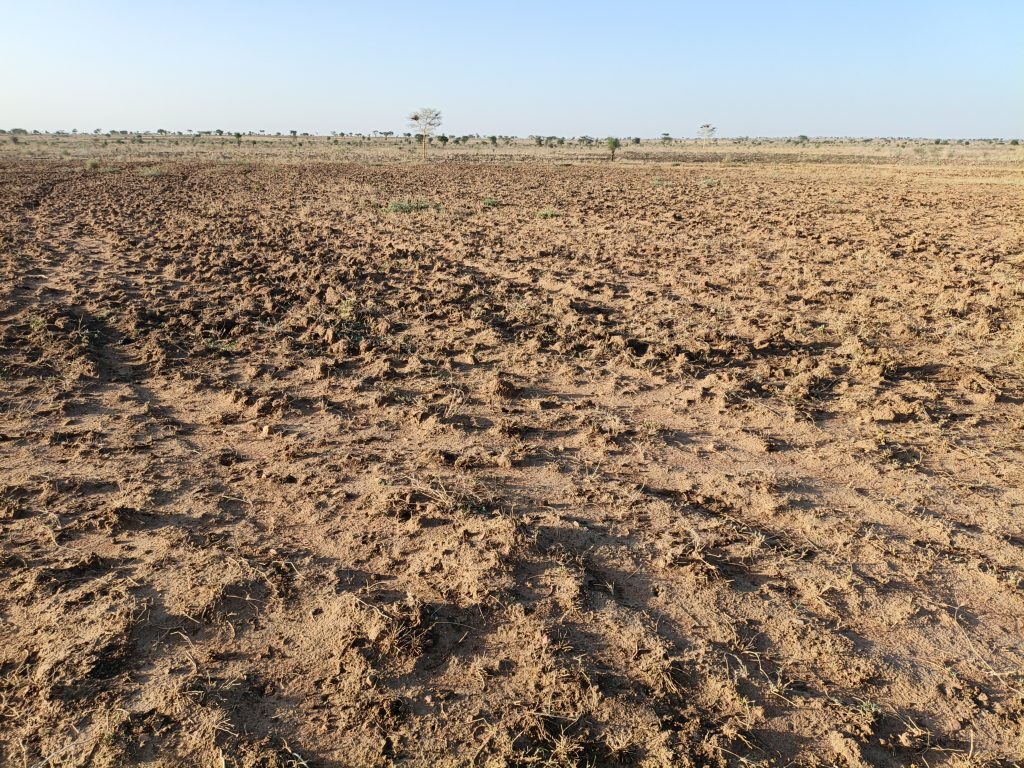
Karamoja, in Uganda’s northeast, has long been described as the country’s most vulnerable sub-region. For decades, it has faced recurring drought and hunger crises. But the current situation marks a troubling escalation. A prolonged dry spell that began in March 2026, worsened by El Niño conditions, has led to widespread crop failure and left hundreds of thousands of people facing acute food insecurity.
The numbers paint a sobering picture. Hundreds of thousands of people across Karamoja are currently classified in crisis levels of food insecurity, with districts such as Kaabong, Karenga, and Moroto among the hardest hit. Tens of thousands of children are projected to suffer acute malnutrition in the coming months, a share of them severely so. Families who once relied on granaries filled after each harvest are now watching thin, yellowed stalks wither in fields that received rain too briefly, or not at all. Livestock — the backbone of Karamojong livelihoods — are dying or being sold off at a loss as pasture and water disappear.


The Government of Uganda, through the Office of the Prime Minister, has responded with emergency food relief, and humanitarian partners including the World Food Programme, FAO, Caritas, and Mercy Corps are supporting the response on the ground. These interventions are saving lives, and they matter. But relief food alone cannot break a cycle that repeats itself every few years, each time with devastating human cost.
A Climate Injustice, Not Just a Climate Problem
It is important to name what is happening in Karamoja accurately. This is not simply bad luck with the weather. It is the product of a changing climate colliding with decades of underinvestment, environmental degradation, and limited access to modern agricultural tools and infrastructure. The communities of Karamoja have contributed almost nothing to the global emissions driving these shifts, yet they are among those paying the highest price. That is a climate injustice, and it demands a response that goes beyond emergency aid.
What makes Karamoja’s situation especially striking — and especially hopeful — is that the region is not naturally incapable of feeding itself. Karamoja holds some of Uganda’s most underutilised arable land. With the right investment, much of this land could support diversified, resilient agriculture rather than remaining dependent on a single, increasingly unreliable rainy season.
Milestone Foundation’s Perspective: Turning Vulnerability Into Opportunity
At Milestone Foundation, we believe the response to Karamoja’s crisis must shift from short-term survival to long-term resilience. Emergency relief will always have a place when lives are at immediate risk, but it cannot be the region’s only strategy for the future. We are focused on what comes next — durable solutions that address the roots of the crisis rather than only its symptoms.
Several priorities stand out as especially important for Karamoja’s path forward:
Climate-smart agriculture. Introducing drought-tolerant and early-maturing crop varieties, alongside farming practices suited to Karamoja’s semi-arid conditions, can help households produce food even when rainfall is erratic. Techniques such as conservation agriculture, agroforestry, and soil and water conservation can also help restore land that has been degraded over decades of overuse.
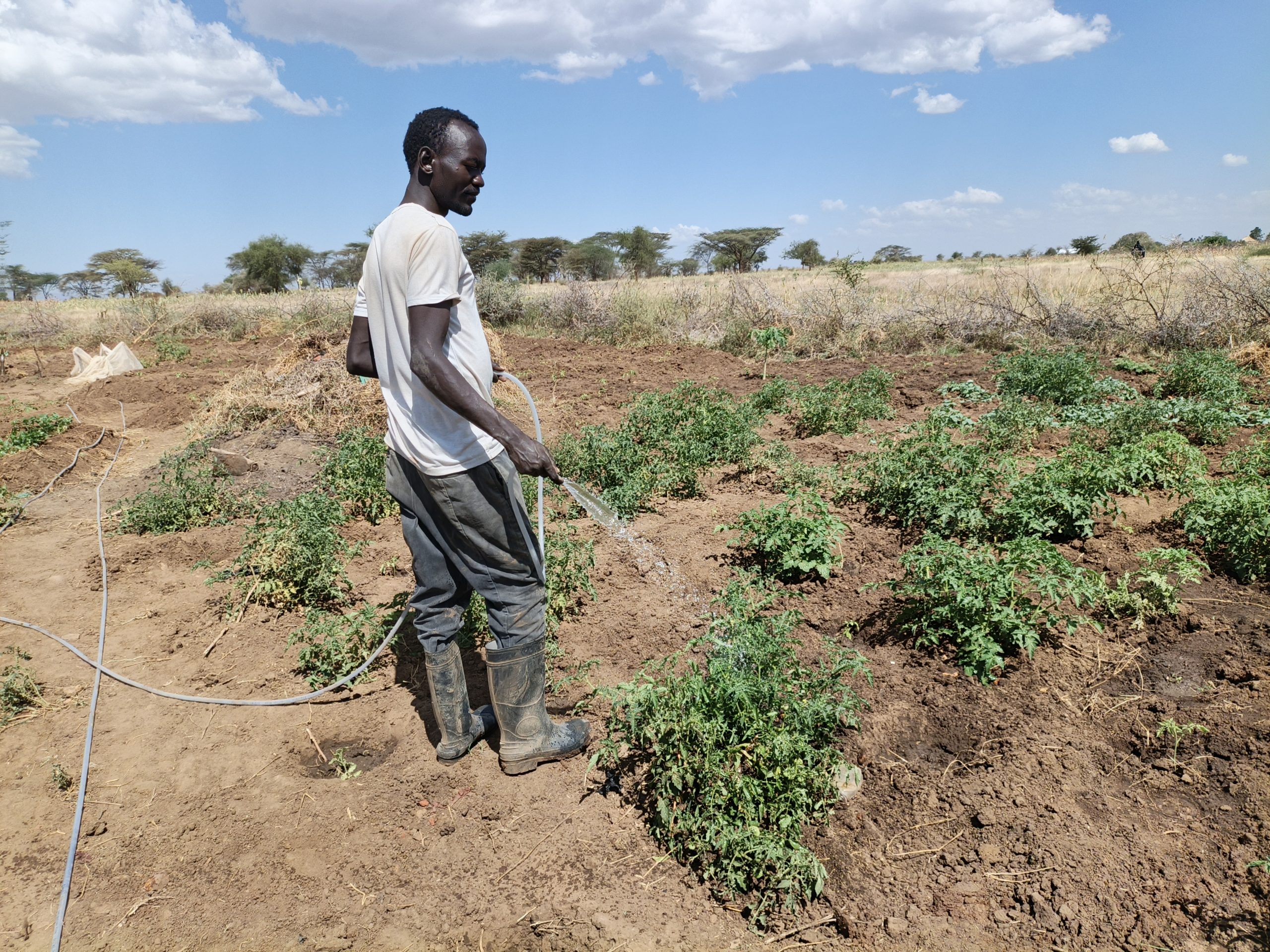
large and Small-scale irrigation and water harvesting. Karamoja’s greatest constraint is not its soil but its water. Investment in small-scale irrigation systems, valley tanks, and rainwater harvesting can unlock the productive potential of land that currently lies idle for most of the year, reducing dependence on a single rainy season.
Modern agricultural technology. From improved seed systems and appropriate mechanisation to simple, accessible tools for soil testing and weather forecasting, technology can help farmers make better decisions with the resources they have. Even modest technological upgrades can meaningfully improve yields and reduce risk.
Diversifying livelihoods. Pastoralism will remain central to Karamojong life and culture, but pairing it with viable crop agriculture and agro-processing can spread risk across households and communities, so that a failed rainy season does not mean a failed year.
Community-led, locally owned solutions. Programmes designed and driven by the communities themselves — rather than imposed from outside — tend to be more sustainable and more attuned to local realities, including the deep knowledge Karamojong communities already hold about their land and seasons.
Karamoja’s story does not have to be one of recurring headlines about hunger. With sustained investment in climate resilience, appropriate technology, and the region’s genuine agricultural potential, it can become a different kind of story — one of transformation. Milestone Foundation is committed to being part of that shift, working alongside communities, government, and partners to help turn Karamoja’s underutilised land and resilient people into a foundation for lasting food security.
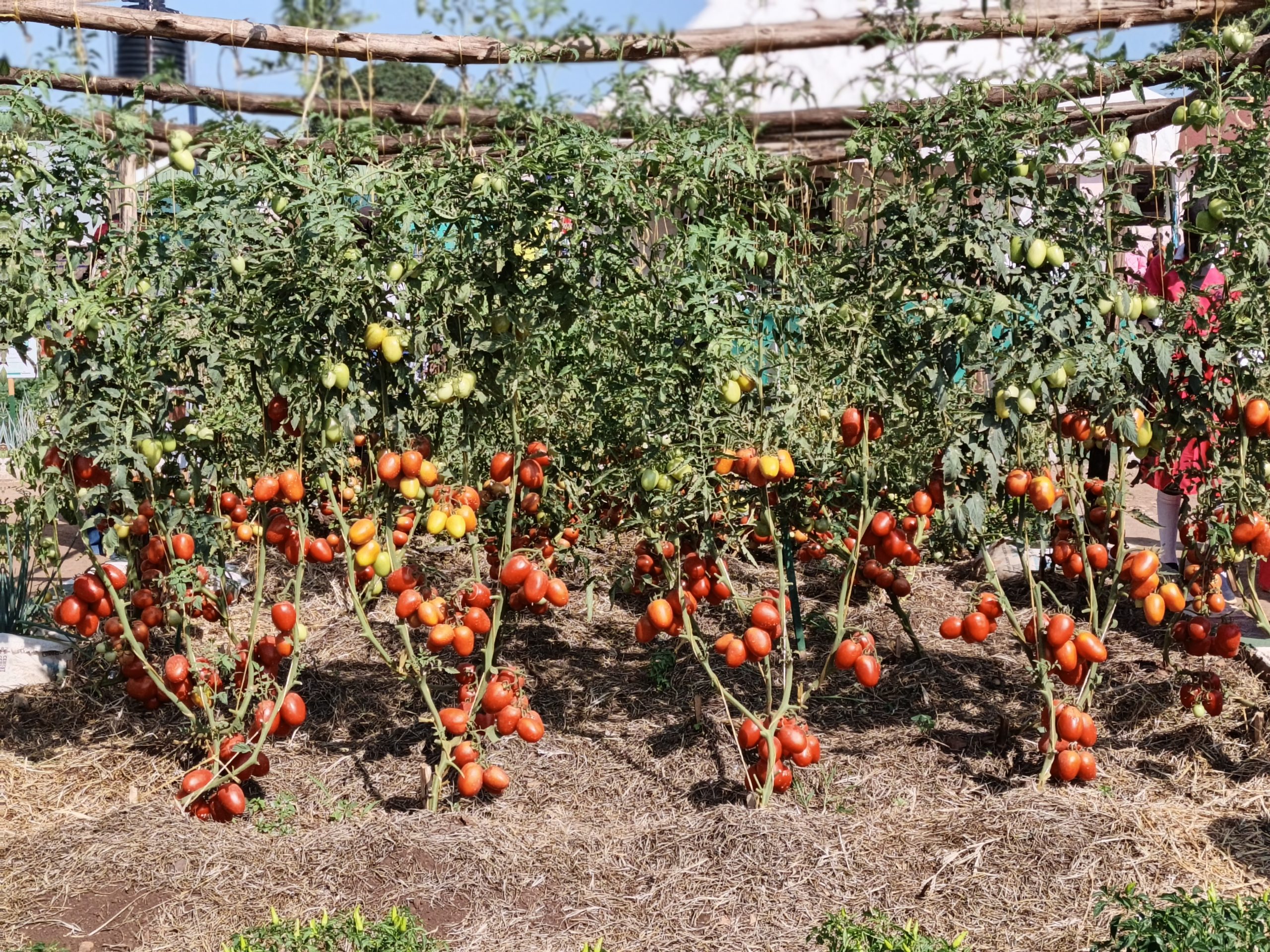
The climate crisis is global, but its solutions must be local, practical, and rooted in the realities of the people it affects most. For Karamoja, that means moving beyond the cycle of drought and relief, toward a future built on climate-smart agriculture, better water management, and the modern tools needed to make the region’s fertile land work for its people.
Karamoja’s drought is a crisis — but its fertile land holds the solution. Join Milestone Foundation in bringing solar-powered water access and climate-smart agriculture to a region ready to move from relief to resilience.
Partner with us today at milestonefdn.org